
What Food Security Actually Looks Like
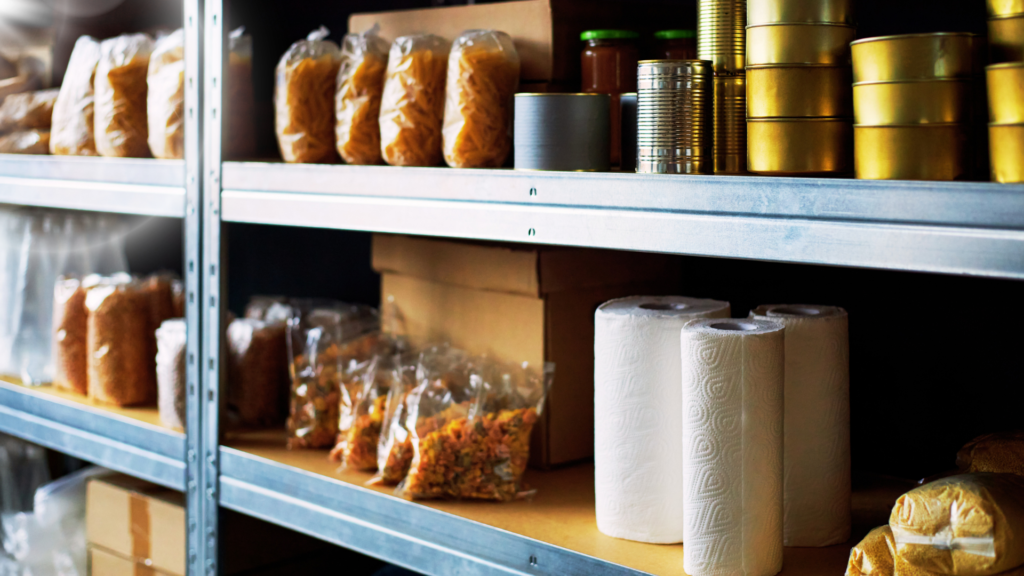
Food security does not mean a bunker full of canned goods. It means a thoughtfully stocked household where the gap between “what we have on hand” and “feeding our family for two to four weeks” has been deliberately closed.
For a plant-based household — and whole food, plant-based eating is the nutritional foundation of the #30DayLegacy system — a secure pantry is built on:
Grains: brown rice, oats, quinoa, cornmeal, whole grain pasta. Staples that store well, cook simply, and anchor any meal.
Legumes: Dried beans, lentils, split peas, chickpeas. The protein foundation of plant-based eating, shelf-stable for years, and culturally central to Southern Black food traditions.
Fats and oils. Olive oil, coconut oil, raw nuts and seeds. Caloric density and nutritional richness that make simple meals sustaining.
Spices and herbs. This is where the culture lives. The pantry that feeds your family should taste like your family. Build a spice collection that reflects your culinary tradition and your palate.
Fermented and preserved foods. Apple cider vinegar, hot sauce, preserved lemons, home-fermented vegetables. Flavor, probiotics, and the ancestral knowledge of preservation.
The Garden Extends the Pantry
A container garden changes the relationship between a household and its food in a way that a pantry alone cannot.
When you grow food — even in pots, on a balcony, in a small yard — you understand where food comes from in a visceral way. You reconnect to the agricultural knowledge that was common in Black families a generation or two ago and that has been largely severed by urban migration and economic disruption.
A container garden growing tomatoes, peppers, herbs, leafy greens, and pole beans can meaningfully supplement a family’s fresh food needs through a growing season. Companion planting, succession planting, and food preservation extend that further.
This is District ’72 (our Family Compound) in concept — a home where the pantry, the garden, and the table are integrated into a self-sustaining system of nourishment.
The Supper Table as Community
Food sovereignty is not only about the individual household. It is about the community that gathers around the table.
The supper club tradition in Black culture — the practice of gathering chosen family and community for shared meals — is one of the most powerful community-building and culture-transmitting practices we have. It predates the restaurant. It survived generations of economic scarcity. It created the bonds that sustained communities through every adversity.
When your household has a stocked pantry and the skills to cook from it, you can feed people. Not just your nuclear household — people. A family gathering. A neighbor in crisis. A community dinner. The capacity to feed others is itself a form of power.
The free guide provides the household security framework that includes food security as a foundational pillar. Start there.
[Download the FREE GUIDE: The Black Woman’s Household Security Framework + Checklist]
Next in this series: How to Build a Sovereign Pantry — a 30-day food security plan for Black families.
Protect your neck. 💪🏾
LA🌻🖤✊🏾
Lisa Ann Mason | Legacy Architect & Generational Wealth Strategist
@MsLisaAnnMason | Your Best Move
Create Your Legacy | WeGotWealthAttheHouse.com
Meet Me at The House | MeetMeAtTheHouse.com